Sorry, I can’t help find or promote vendors or sites for stolen credit card data. The information below explains why those pitches are illegal, dangerous, and how to protect yourself and your organization instead.
“Legit CC Vendors” Don’t Exist: Laws, Ethics, and the Real-World Costs Everyone Pays
The notion of dark web legit cc vendors or so-called legitimate cc shops is a contradiction in terms. By definition, any marketplace that sells stolen payment card data—numbers, expiration dates, billing ZIPs, and security codes—is trafficking in contraband. No reputation score, escrow badge, or forum vouch can change the basic fact: these operations monetize the theft of other people’s financial identities. While some ads cloak their pitch in language like “test cards,” “dumps,” or “for research only,” that euphemism does not create a legal or ethical gray area. It’s still fraud.
Globally, card-data trafficking violates criminal statutes that cover access device fraud, identity theft, wire fraud, money laundering, and computer misuse. In the United States, for example, 18 U.S.C. § 1029 (access device fraud) and related conspiracy provisions carry serious penalties, and prosecutors regularly stack charges when activity crosses state or national borders. Similar laws exist across the EU, UK, Canada, Australia, and many other jurisdictions, with cross-border investigations coordinated through agencies like Europol and Interpol. Law enforcement routinely infiltrates forums, runs undercover operations, and quietly gathers evidence from hosting providers, mixers, and payment trails. The core claim behind legit sites to buy cc—that there’s a “safe” or “vetted” way to commit fraud—ignores how coordinated and persistent this enforcement has become.
Beyond legality, there is the undeniable social cost. Stolen card data isn’t a victimless commodity. When a criminal uses a compromised card, the fallout ripples outward: cardholders face stress and disruption; small businesses eat losses and chargeback fees; e-commerce teams scramble to sort genuine customers from fraudsters; and everyone pays higher costs as banks and merchants raise prices to offset fraud. The marketing for best sites to buy ccs misrepresents reality by implying that banks “just absorb it.” In practice, losses get externalized—to consumers through inconvenience and higher interest rates, to merchants through fees and penalties, and to the broader economy through distorted trust in digital commerce. Calling such markets “legitimate” is a shield for theft.
How “CC Shop Sites” Really Work: Scams, Malware, and Sting Operations That Target Buyers
Ads that promise authentic cc shops and “no-duplicate, high-approval CVVs” follow well-worn playbooks. Many sites are simply cash grabs: they demand crypto deposits, claim to unlock premium bins or geographic mixes, and then lock accounts or drip feed low-value, already-cancelled cards. When buyers complain, operators point to terms of service or demand more deposits to “verify” the account. Social engineering props up this ruse—fake testimonials, rented bot accounts on carding forums, and staged chat logs with supposed “satisfied” resellers. The demand for best ccv buying websites fuels a cottage industry of impostor markets that exist only long enough to empty new wallets.
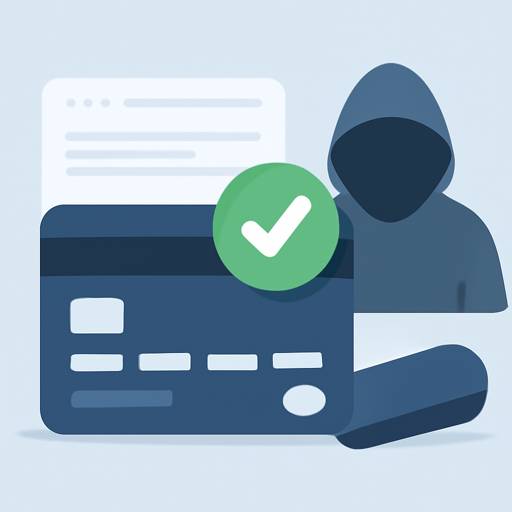
Even “real” carding markets are booby-trapped ecosystems. Several high-profile takedowns show what happens behind the curtains. When the infrastructure behind Joker’s Stash was seized, customers lost funds and “store credit” overnight, and years of logs became potential evidence. The infamous BriansClub breach exposed both seller inventory and buyer activity, demonstrating how thin the operator’s security really was—and how quickly a “trusted” shop can flip into an intelligence goldmine for defenders. Earlier operations like AlphaBay and Hansa illustrated how law enforcement can quietly take over or mirror platforms, watching transactions and mapping networks in real time. While these examples span different illicit goods, the lesson for those chasing cc shop sites is consistent: data, wallets, messages, and operational details often end up in someone else’s hands—sometimes a rival, sometimes investigators.
Technical risks are just as pervasive. Many markets and “checker” tools ship stealer malware or load malicious scripts that harvest browser cookies, autofill vaults, or seed remote access for later extortion. Tutorials that hint at “quick wins” often push users to disable security controls, install shady plugins, or load unsigned binaries. That’s how accounts get drained, devices get locked, and personal identities get compromised. The supposed path to authentic cc shops becomes a pipeline for doxxing, ransomware, and blackmail. Even if a buyer avoided overt scams, using stolen data leaves persistent digital traces—wallet flows, forum handles, PGP fingerprints, and device identifiers—that investigators can correlate long after a market vanishes. There’s no clean exit ramp from fraud.
Legal, Safe Alternatives: Fighting Card Fraud, Building Resilience, and Learning from Real Cases
Everyone benefits when energy shifts from chasing contraband to strengthening defenses. On the individual side, there are straightforward steps that measurably reduce risk. Use reputable, well-reviewed merchants and prefer card-on-file with tokenization where possible. Enable transaction alerts and set conservative card limits to catch anomalies in minutes, not days. Leverage virtual or single-use card numbers for e-commerce and subscriptions; many issuers now provide disposable credentials that sharply constrain misuse. Keep strong, unique passwords with a password manager and enable multi-factor authentication on bank and retailer accounts. If a breach touches your data, monitor statements closely, place a fraud alert or credit freeze with bureaus, and report suspicious activity promptly. In the U.S., cardholders enjoy strong protections under Regulation Z for unauthorized charges—timely reporting maximizes those protections. If you’re impacted, file with your bank, local authorities, and the appropriate cybercrime portal (for example, IC3.gov in the U.S.).
Merchants and online platforms can cut exposure by hardening the entire payment journey. Follow PCI DSS requirements rigorously, use point-to-point encryption and end-to-end tokenization, and avoid storing sensitive data that could later be exfiltrated. Adopt EMV for in-person transactions and modern cardholder authentication (such as 3-D Secure 2) for card-not-present flows. Layer defenses: address verification (AVS), CVV verification, velocity checks, device fingerprinting, and behavioral analytics that spot card testing or scripted attacks. Implement robust bot management, rate limiting, and anomaly detection at checkout. For web apps, reduce the risk of digital skimming (e.g., Magecart) with subresource integrity, content security policy, integrity checks, and code monitoring. Regularly pen test payment flows and secure third-party scripts; many compromises exploit weak vendor integrations rather than core platforms. Train staff on social engineering and establish strict access and logging for backend payment tools.
From an organizational standpoint, resilience is about preparation and continuous improvement. Maintain a clear incident response plan, run tabletop exercises that rehearse payment compromise scenarios, and define thresholds for customer notification under regional breach laws. Centralize logs, invest in endpoint detection and response, and tune alerts for anomalies like sudden BIN mix shifts or elevated declines that hint at card testing. Work with acquiring banks and processors to calibrate risk scoring, and consider network tokens to preserve approval rates while reducing raw PAN exposure. Public case studies show that merchants who combined strong authentication, tokenization, and fraud analytics cut card-not-present fraud by meaningful double-digit percentages, while EMV adoption sharply reduced counterfeit fraud at the point of sale. Threat intel can also pay off: monitoring for your brand and known IOCs on criminal forums helps you invalidate leaked keys, rotate tokens, and alert customers quickly—without engaging with or legitimizing legitimate cc shops or cc shop sites that peddle stolen goods. The sustainable win isn’t finding “reliable” contraband; it’s shrinking the attack surface so stolen data has little value, and would-be fraudsters hit a wall instead of a jackpot.